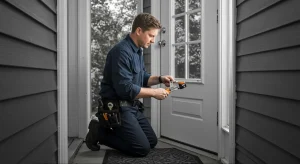
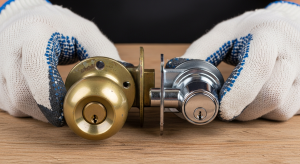
When it comes to securing your home, installing a front door lock is a crucial step that requires precision and attention to detail. From selecting the right lock to ensuring proper alignment and functionality, each stage of the installation process plays a vital role in safeguarding your property. By following the steps outlined in this guide, you can equip yourself with the knowledge and skills needed to enhance your home's security and peace of mind.
Key Takeaways
- Choose the right lock type based on security needs and convenience.
- Carefully remove old lock, inspect area, and ensure door compatibility.
- Install new lock accurately using proper tools and measurements.
- Test lock functionality, security features, and key operation.
- Maintain lock by cleaning, lubricating, tightening, and addressing issues promptly.
Choosing the Right Lock
When it comes to front door lock installation, the first crucial step is choosing the right lock for your home.
Your choice will depend on factors like security needs, style preferences, and budget constraints. Deadbolts are a popular option, known for their reliability in providing excellent security.
Consider single-cylinder deadbolts that are operated with a key from the outside and a turn knob on the inside. If you have a window near your door, opt for a double-cylinder deadbolt that requires a key on both sides for added security.
Another option is a smart lock, which offers convenience through keyless entry and remote access features. Smart locks can be controlled via your smartphone, providing you with the ability to monitor and manage access to your home remotely.
Take into account the level of security you require and the ease of use you desire when making your decision.
Gathering Necessary Tools
Before you begin the front door lock installation process, it's essential to gather the necessary tools to ensure a smooth and efficient installation.
The tools you'll need include a screwdriver, typically either Phillips or flathead depending on the screws involved in your lock, a tape measure to ensure precise placement, a pencil for marking where holes need to be drilled, and a drill with the appropriate drill bit size for the lockset you're installing.
Additionally, have a hammer on hand for any necessary adjustments or tapping, a chisel for fine-tuning the edges of the holes, and a level to ensure the lock is straight.
It's also helpful to have a rag or towel to clean up any debris or excess lubricant during the process.
Removing the Old Lock
Before you can install a new front door lock, you'll need to remove the old one.
Start by disassembling the existing lock carefully and inspect the door to ensure compatibility with the new lock.
Remember to dispose of the old lock properly to prevent any security risks.
Disassembling Old Lock
To remove the old lock, start by locating the screws holding it in place on the door.
Using a screwdriver, carefully unscrew these screws and set them aside. Once the screws are removed, gently pull the old lock away from the door. Be cautious not to damage the door or surrounding area during this process.
After the lock is detached, you may need to remove any remaining screws or pieces that are still attached to the door.
Inspect the area to ensure it's clean and free from any debris or old hardware.
It's essential to take note of how the old lock was positioned and any markings on the door where it was placed. This information will be helpful when installing the new lock.
Checking Door Compatibility
Inspect the door to ensure that the new lock you're planning to install is compatible with the existing setup.
Begin by checking the dimensions of the new lock against the holes and cutouts in the door. Verify that the backset, which is the distance between the edge of the door and the center of the bore hole, matches the specifications of the new lock.
Moreover, assess the thickness of the door to confirm that it can accommodate the new lock mechanism. Some locks are designed for standard doors, while others may require thicker or thinner doors for proper installation.
Additionally, check if the door material is suitable for the new lock, especially if it's a smart lock that may need additional support or modifications.
Proper Disposal Methods
When considering the proper disposal of the old lock, it's crucial to prioritize safety and efficiency.
To begin, gather the necessary tools such as a screwdriver to remove the screws holding the lock in place. Start by unscrewing and detaching the old lock carefully to avoid any damage to the door or surrounding areas.
Once the lock is removed, assess if any parts are recyclable or if it needs to be disposed of in the trash.
For safety reasons, ensure that all sharp or protruding parts of the old lock are properly secured to prevent any accidental injuries during disposal.
Remember to dispose of the old lock in accordance with your local waste disposal regulations. Some recycling centers may accept metal parts, so it's worth checking if your old lock can be recycled.
Installing the New Lock
Now that you've removed the old lock, it's time to install the new one.
You'll need specific tools for this task, such as a screwdriver and a tape measure.
Aligning and securing the lock properly, and then testing its functionality and security, are crucial steps in ensuring your front door is properly protected.
Tools Needed for Installation
To successfully install a new front door lock, you'll need a few essential tools designed specifically for this task.
Screwdriver: A screwdriver is crucial for removing the existing lock and installing the new one.
Make sure to have both flathead and Phillips head screwdrivers on hand.
Tape Measure: Accurate measurements are vital to ensure the new lock fits properly.
Use a tape measure to determine the correct dimensions for drilling holes and aligning the lock.
Drill: You'll need a drill to create holes for the lockset and deadbolt.
Make sure to use the appropriate drill bits for the material of your door.
Chisel: A chisel helps you create clean and precise cuts for the latch and strike plate.
It's essential for ensuring the lock functions smoothly.
Pencil: Use a pencil to mark the areas where holes need to be drilled and for making accurate measurements.
It allows for easy adjustments before committing to drilling.
Aligning and Securing Lock
Once you have gathered all the necessary tools for the front door lock installation, it's time to focus on aligning and securing the new lock.
Begin by inserting the latch into the hole on the edge of the door, ensuring that the beveled side faces the direction the door closes. Secure it in place with the screws provided.
Next, position the exterior and interior sides of the lock, aligning them with the holes in the door. Slide the spindle through the latch mechanism and into the interior lock, making sure it's centered.
Once the lock components are aligned, fasten them by tightening the screws on both sides. Ensure the lock is level and snug against the door.
Test the lock's functionality by turning the knob or lever to ensure smooth operation. Check that the deadbolt extends and retracts smoothly as well.
Once you're satisfied with the alignment and security of the lock, you can proceed to the final step of testing its functionality and security.
Testing Functionality and Security
As you complete the installation process of aligning and securing the front door lock, the next critical step is to test its functionality and security.
Test the Lock Mechanism: Ensure the key turns smoothly, the deadbolt extends and retracts properly, and the latch aligns with the strike plate.
Check for Proper Alignment: Verify that the lock aligns correctly with the strike plate and that the door closes securely.
Test Security Features: Assess if the lock effectively secures the door and resists tampering or forced entry attempts.
Verify Key Operation: Test the key to confirm it easily opens and locks the door without any issues.
Test from Inside and Outside: Check the lock from both sides of the door to ensure it functions correctly regardless of entry point.
Aligning and Testing the Lock
You can ensure a secure fit for your front door lock by properly aligning and testing it.
To begin, make sure the lock is centered within the door and at the correct height. Use a pencil to mark the screw holes and latch plate outline on the door. Carefully drill pilot holes for the screws to prevent splitting the wood.
Next, attach the lock using the provided screws, ensuring it's snug but not over-tightened. Test the lock by inserting the key and turning it to check for smooth operation.
Make sure the latch bolt extends and retracts smoothly when the door is opened and closed. Additionally, test the deadbolt by turning the key to ensure it extends fully into the strike plate.
Troubleshooting Common Issues
Encountering issues with your front door lock can be frustrating, but troubleshooting common problems can help restore its functionality.
These are some common issues you might face and how to troubleshoot them:
Key is difficult to turn or gets stuck:
Try lubricating the keyhole with graphite powder.
Check if the key is worn out and replace it if necessary.
Latch doesn't align properly:
Check if the strike plate is aligned correctly with the latch.
Tighten the screws on the strike plate to secure it in place.
Deadbolt doesn't extend or retract smoothly:
Inspect the deadbolt for any obstructions in its path.
Lubricate the deadbolt mechanism with silicone spray.
Lock is loose or wobbly:
Tighten the screws on the lock mechanism and strike plate.
Check if the screws holding the lock in place are secure.
Maintaining Your Front Door Lock
To ensure the longevity and proper functioning of your front door lock, regular maintenance is essential.
Start by cleaning your lock regularly with a damp cloth to remove any dirt or debris that could affect its performance. You can also lubricate the lock mechanism with a silicone-based lubricant once or twice a year to keep it operating smoothly.
Check the screws and bolts on your lock periodically to make sure they're tight and secure, tightening them if necessary to prevent any issues with the lock's alignment.
Additionally, inspect the key for any signs of wear and consider getting a replacement if it's starting to show significant damage.
Lastly, if you notice any unusual sounds or difficulties when using your front door lock, address the problem promptly to prevent any potential malfunctions.