Did you know that nearly 30% of home break-ins occur through unlatched doors? As a Tacoma homeowner, ensuring your locks are properly installed can greatly enhance your security. From selecting the right type of lock to understanding when to call a professional, there are critical steps you should consider. Let's explore how to fortify your home and keep your loved ones safe.
Understanding Different Types of Locks
When it comes to securing your Tacoma home, understanding the different types of locks is essential.
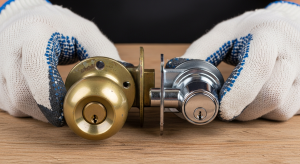
You've got several options, each with unique benefits. Deadbolts offer strong security, resisting forced entry. You might prefer knob locks for interior doors, but they're less secure for entryways.
Smart locks are becoming popular; they allow keyless entry and let you control access remotely. Don't overlook padlocks, which are great for external storage or gates.
If you're looking for convenience, consider combination locks, which eliminate the need for keys. Each lock type serves a purpose, so think about your specific needs.
Assessing Your Security Needs
Choosing the right type of lock is just the beginning; evaluating your security needs is where the real planning starts.
Start by examining your home's layout and identifying vulnerable entry points, such as windows and back doors. Consider your neighborhood's crime rate, higher risks might require more robust security measures.
Think about your lifestyle, too; do you often travel or have valuable items at home? This will help you gauge the level of protection you need.
Additionally, assess whether you need smart locks for remote access or traditional ones for simplicity.
Finally, don't forget to involve family members in this assessment; their insights might uncover areas you hadn't considered.
Taking these steps will guarantee you make informed decisions for your home's security.
Choosing the Right Lock for Your Home
When it comes to choosing the right lock for your home, you need to evaluate the different types of lock mechanisms available.
Understanding security ratings can help you assess how well a lock will protect your property.
Let's explore how to select a lock that meets your security needs and fits your lifestyle.
Types of Lock Mechanisms
As you consider the security of your home, understanding the various types of lock mechanisms is essential.
Deadbolts are a popular choice for their strength, offering enhanced resistance against forced entry. Knob locks, while convenient, should be used in conjunction with deadbolts, as they're easier to pick.
Smart locks provide modern convenience, allowing you to control access via your smartphone, but be aware of their reliance on batteries and Wi-Fi.
Lever handle locks are practical for interior doors, offering ease of use.
Finally, mortise locks combine security and aesthetics, often found in commercial settings.
Assess your needs and choose the mechanism that best fits your lifestyle and security requirements.
Security Ratings Explained
Understanding the different types of lock mechanisms helps you make informed decisions about your home's security.
When choosing a lock, pay attention to its security rating, which indicates how resistant it's to picking, drilling, and other forced entry methods. Look for locks that meet standards set by organizations like ANSI (American National Standards Institute) or BHMA (Builders Hardware Manufacturers Association).
These ratings typically range from Grade 1 (highest security) to Grade 3 (basic security). A Grade 1 lock is ideal for exterior doors, while a Grade 2 lock can work for interior doors or less vulnerable areas.
Always consider your specific needs and the level of security required to protect your home effectively.
DIY Lock Installation: Step-by-Step Guide
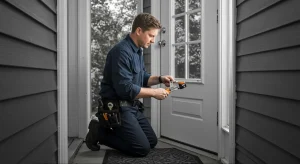
Installing a new lock can be a straightforward DIY project that enhances your home's security.
First, gather your tools: a screwdriver, measuring tape, and the new lock kit.
Begin by removing the old lock; unscrew it from the door and pull it out.
Next, measure the hole to confirm the new lock fits properly.
Follow the manufacturer's instructions to install the new lock. Typically, you'll insert the lock into the hole, secure it with screws, and attach the strike plate.
Test the lock to make certain it works smoothly.
Finally, give your door a few firm closes to confirm everything aligns correctly.
With just a little effort, you've improved your home's safety and gained the satisfaction of a successful DIY project.
When to Hire a Professional Locksmith
While tackling a lock installation on your own can be rewarding, there are times when hiring a professional locksmith is the smarter choice.
If you're dealing with high-security locks or complex systems, a professional's expertise guarantees proper installation.
When you've lost your keys or experienced a break-in, quick and efficient help from a locksmith can restore your security.
Additionally, if you're unsure about your DIY skills or lack the right tools, it's best to call in a pro.
They can also provide valuable advice on lock upgrades and security measures tailored to your home.
Tips for Maintaining Your Locks
Maintaining your locks is essential for ensuring your home's security and functionality. Start by regularly inspecting each lock for any signs of wear or damage.
If you notice rust or dirt, clean the lock using a cloth and a suitable lubricant to keep it operating smoothly. Lubricate the keyhole and mechanism at least once a year to prevent sticking.
Additionally, check your keys for any bending or wear; replace them if they're damaged. Make sure your deadbolts engage fully when locked, and test them periodically.
Finally, don't forget to tighten any loose screws on the lock or door hardware. Keeping your locks in top condition will enhance your security and give you peace of mind.
Upgrading Your Home Security System
Upgrading your home security system can greatly enhance your peace of mind, especially if you live in an area with rising crime rates.
Start by evaluating your current setup; outdated systems may not provide the protection you need. Consider installing smart locks that allow you to control access remotely and monitor entry points via your smartphone.
Adding security cameras can give you an extra layer of surveillance, letting you keep an eye on your property at all times.
Don't forget about motion sensor lights, they deter intruders and illuminate dark areas around your home.
Finally, invest in a thorough alarm system that alerts you and local authorities in case of a breach.
These improvements can markedly elevate your home's security.