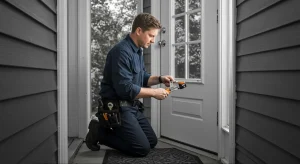
When considering the installation and maintenance of biometric locks, ensuring a seamless process is key to safeguarding your property effectively. From understanding the installation steps to mastering maintenance techniques, a comprehensive grasp of these aspects is vital. But what truly sets biometric locks apart from traditional security measures? Let's explore the intricate nuances and benefits that make biometric systems a modern marvel in the realm of security solutions.
Key Takeaways
- Choose suitable installation location for easy access.
- Regularly clean fingerprint scanner for accurate readings.
- Update lock software for latest security features.
- Inspect biometric lock system at least twice a year.
- Professional maintenance services ensure optimal performance.
Benefits of Biometric Locks
When it comes to securing your property, biometric locks offer a cutting-edge solution that brings convenience and enhanced security to your daily life.
With biometric locks, you no longer need to worry about forgetting keys or codes; your unique fingerprint, iris scan, or facial recognition grants you access with a simple touch or glance. This not only saves you time but also ensures that only authorized individuals can enter your premises.
Another benefit of biometric locks is their high level of security.
Traditional locks can be picked or keys can be copied, but biometric data is unique to each individual, making it nearly impossible to replicate or bypass. This gives you peace of mind knowing that your property is well-protected against unauthorized entry.
Moreover, biometric locks are convenient.
You no longer have to fumble for keys in your bag or pocket; with biometrics, access is as easy as scanning your fingerprint or looking at a camera. This seamless interaction streamlines your daily routine and adds a touch of modernity to your security measures.
Types of Biometric Locks
Explore the diverse range of biometric locks available to cater to your specific security needs. Biometric locks offer advanced security solutions by using unique biological traits for access control. Here are some common types of biometric locks:
| Type of Biometric Lock | Description |
|---|---|
| Fingerprint Locks | Recognize unique fingerprint patterns for access. Easy to use and reliable. |
| Facial Recognition Locks | Identify individuals based on facial features. Great for high-security areas. |
| Iris Scanners | Use iris patterns for authentication. Highly accurate but may require close contact. |
| Voice Recognition Locks | Authenticate users based on voice patterns. Convenient for hands-free access. |
Each type of biometric lock has its advantages and may be suitable for different security requirements. Consider factors like ease of use, accuracy, and level of security needed when choosing the right biometric lock for your premises.
Installation Process Overview
To successfully implement the advanced security features of biometric locks, understanding the installation process is key.
Installing a biometric lock involves several essential steps to ensure its proper functioning and security.
- Selecting the Installation Location: Choose a suitable location for the biometric lock that allows easy access for authorized individuals while ensuring it isn't easily tampered with.
- Preparing the Door: Make sure the door where the biometric lock will be installed is properly aligned and in good condition to ensure a seamless installation.
- Mounting the Biometric Lock: Securely mount the biometric lock onto the door following the manufacturer's instructions to ensure stability and functionality.
- Configuring the System: After installation, configure the biometric lock system by enrolling authorized users' biometric data and setting up access permissions for each individual.
Key Maintenance Tips
Regularly maintaining your biometric lock is crucial to ensure its longevity and optimal performance.
Here are some key maintenance tips to keep your biometric lock functioning smoothly.
Firstly, regularly clean the fingerprint scanner to ensure accurate readings. Use a soft, dry cloth to wipe away any dust or smudges that may affect the sensor's performance.
Secondly, check the battery levels frequently and replace them as needed to prevent any unexpected power failures.
Additionally, lubricate the lock's moving parts with a silicone-based lubricant to prevent rust and ensure smooth operation. Avoid using oil-based lubricants as they can attract dirt and debris, causing potential malfunctions.
Lastly, periodically update the lock's software to ensure it has the latest security features and bug fixes.
Troubleshooting Common Issues
When encountering issues with your biometric lock, it's essential to troubleshoot effectively to restore its functionality promptly.
Here are some common problems you may encounter and steps to address them:
- Fingerprint Recognition Failure: Clean the fingerprint sensor with a soft cloth and ensure your finger is dry and placed correctly on the sensor.
- Battery Drain: Check the battery level and replace if necessary. Ensure the batteries are inserted correctly and are of good quality.
- Connection Issues: Verify that the lock is properly connected to a power source or that the Wi-Fi/Bluetooth connection is stable.
- Programming Errors: Reset the lock to factory settings and reprogram your fingerprints following the manufacturer's instructions.
Enhancing Security Features
Now it's crucial to focus on enhancing the security features of your biometric lock system.
Consider integrating your lock with your existing security system for comprehensive protection.
Explore various user authentication methods and implement robust data protection measures to safeguard sensitive information.
Security System Integration
Enhancing the security features of your biometric lock installation involves integrating it with a comprehensive security system.
By combining your biometric lock with a sophisticated security system, you can ensure maximum protection for your property and assets.
- Surveillance Cameras: Strategically placed cameras can provide visual monitoring of entry points and alert you to any suspicious activity.
- Motion Sensors: These sensors can detect movement in restricted areas and trigger immediate responses or alarms.
- Alarm Systems: Integrating your biometric lock with alarms can further deter intruders and notify you of any unauthorized access attempts.
- Remote Access Control: Being able to control and monitor your security system remotely adds convenience and enhances security by allowing you to manage access from anywhere.
User Authentication Methods
To bolster the security features of your biometric lock installation, implementing advanced user authentication methods is paramount.
Beyond just relying on biometric data, incorporating additional layers of security can significantly enhance the overall protection of your property. One effective method is the use of two-factor authentication, requiring users to provide both a biometric scan and a secondary form of identification, such as a PIN code or access card.
This dual verification process adds an extra level of security, making it more challenging for unauthorized individuals to gain access.
Moreover, consider implementing multi-factor authentication, which goes beyond two factors and includes additional forms of verification like security questions or one-time passcodes sent to a registered device.
This advanced authentication method further fortifies the security of your biometric lock system, making it even more robust against potential breaches. By incorporating these sophisticated user authentication methods, you can ensure that only authorized individuals can access your property, enhancing overall security and peace of mind.
Data Protection Measures
Building on the robust user authentication methods discussed previously, the next critical aspect to address in your biometric lock installation is implementing data protection measures to further enhance security features.
To enhance the security of your biometric lock system, consider the following measures:
- Encryption: Encrypt all data stored and transmitted by the biometric lock to prevent unauthorized access.
- Access Control: Implement strict access control policies to regulate who can view or modify sensitive data.
- Regular Updates: Ensure that your biometric lock system is regularly updated with the latest security patches to address any vulnerabilities.
- Backup and Recovery: Establish a reliable backup and recovery system to protect against data loss due to system failures or cyber-attacks.
Professional Maintenance Services
When it comes to your biometric lock, professional maintenance services offer you peace of mind knowing that your system is functioning optimally.
Regular inspections ensure that any potential issues are identified and resolved promptly, preventing any security vulnerabilities.
Service Benefits
For optimal performance and longevity of your biometric lock system, investing in professional maintenance services is crucial.
These services offer numerous benefits that ensure your system operates smoothly and securely:
- Expertise: Professional technicians have the knowledge and experience to identify and resolve any issues promptly.
- Regular Inspections: Scheduled maintenance visits help prevent potential problems before they occur, saving you time and money in the long run.
- Software Updates: Professionals can ensure your biometric lock system is up to date with the latest software enhancements and security patches.
- Emergency Support: In case of any unexpected failures or malfunctions, maintenance services often include round-the-clock support to assist you promptly.
Timely Inspections
Curious about the frequency of inspections necessary to maintain the optimal functioning of your biometric lock system?
Timely inspections are crucial to ensure the reliability and security of your biometric lock. Regular inspections by professional maintenance services help identify any potential issues before they escalate, ultimately saving you time and money in the long run.
It's recommended to schedule biometric lock inspections at least twice a year, although high-traffic areas may benefit from quarterly checks. During these inspections, technicians will assess the overall condition of the lock, check for any signs of wear and tear, clean the sensors, and ensure that all components are functioning correctly.
Additionally, they'll update the software if needed to enhance the lock's performance and security features. By staying proactive with timely inspections, you can maximize the lifespan of your biometric lock system and avoid unexpected failures that could compromise the safety of your premises.